








The payment solutions industry has seen major disruption because of digital innovation, new consumer habits and the shift towards cash lessness. In the era of recovery of international tourism and a strong comeback in business travel, the demand is for secure, versatile, globally accepted and efficient payment instruments, in this scenario the travel card has proved to be a trusted resource for handling travel related costs.
Travel cards have been developed with a purpose: to allow travellers to circumvent carrying money, limit foreign currency risks, enable additional security features like PIN protection and card fraud monitoring, as well as guarantee instantaneous card replacement and so on.
In fact, as estimated in a market report by Expert Market Research, global travel card market size may surge by 6.50% of CAGR in 2026-2035 due to expanding requirement for safe & smart travel payments among international travellers worldwide.
The Evolution of Travel Payments
It has now become quite different over the last couple of decades on travelling payments. Previously when traveling internationally most travellers opted for the use of either physical cash, traveller’s checks or normal debit cards/credit cards to spend on foreign travel expenses. Although they were functional, the usage could pose the travellers in high fees in foreign currency, security risks, and the difficulty of using the same everywhere in a foreign land.
Now we have smarter alternatives that the advancement in technology changed travel, such as contactless payment, use of mobile wallets and use of prepaid travel cards for foreign transactions. The contactless methods of payment, usage of mobile wallets, etc. Have proved very effective in making international transactions as easy as possible.
The most obvious among these new means of travelling payment are travel cards. Travel cards are becoming the travel cards of the travel savvy – they take all the familiarity of paying by cards and incorporate features that have been tailor-made for international trips.
Read: How to Plan the Perfect Rajasthan Vacation: Forts, Deserts & Royal Experiences
What Are Travel Cards?
These cards are like pre-loaded or multi-currency credit and debit cards that enable travellers to load money onto them prior to their trip. While certain travel cards only let you load a single currency, you can carry a few of foreign currency notes in several travel cards and pay the shopkeeper or withdraw cash from the ATM without having to convert the currency on the spot every time. In fact, most of such cards are valid in millions of shops and ATM outlets where primary credit/debit card network’s function.
There is a smart phone application that goes along with these cards through which you can monitor your expenditure, reload funds whenever require, lock the cards instantly in case of loss and get instant alerts every time you make a transaction.
They are widely useful for different kind of travels ranging from vacation tours, work assignments, study programs and even for those planning to stay for a longer duration in the foreign land.
Why Travel Cards Are Becoming More Popular
Several factors are contributing to the growing adoption of travel cards across the world.
Enhanced Security
Security continues to be a major concern for most travellers around the world. You can also lose money while traveling or be at risk for being robbed if you carry lots of money with you, but your travel card will provide layers of protection.
Modern travel cards typically include:
- PIN-based authentication
- Chip technology
- Contactless payment security
- Fraud detection systems
- Instant card blocking through mobile apps
- Emergency replacement services
These features significantly reduce financial risks during international travel.
Better Currency Management
The fluctuations can affect your budget for the trip. When using multi-currency travel cards, you will be able to lock in the rate at the time you load up funds and protect yourself against any unexpected movement in exchange rates during your trip. This can help you plan your trip finances in a clearer way.
Budget Control
The primary advantage of prepaid travel cards over credit cards, of course, is that it only allows users to spend the exact money deposited in it. This ensures users do not overspend and aids in tracking expenses effectively especially if the users are a student, family or holiday maker.
Children studying in foreign countries are sometimes gifted prepaid cards by their parents which provide some autonomy yet allow the parent to keep track of how their money is being spent.
Global Acceptance
They can be used virtually everywhere in hotels, restaurants, taxis and other transportation, in shopping centres and on booking websites on the internet, meaning that you no longer need to bother exchanging currency at every border you cross.
Technology Is Reshaping Travel Payments
Digital innovation has transformed travel cards from simple prepaid products into intelligent financial tools.
Today’s travel cards increasingly integrate with:
- Mobile banking applications
- Digital wallets
- Contactless payment technology
- Real-time balance tracking
- AI-powered fraud detection
- Spending analytics
Travellers can now purchase digital travel money from several suppliers, adding the virtual card directly to a smartphone and using it to pay on their holidays safely without having to carry any physical card.
AI can also help prevent this type of fraud by detecting irregular transaction patterns and informing the user about them on the spot.
The Rise of Contactless Payments
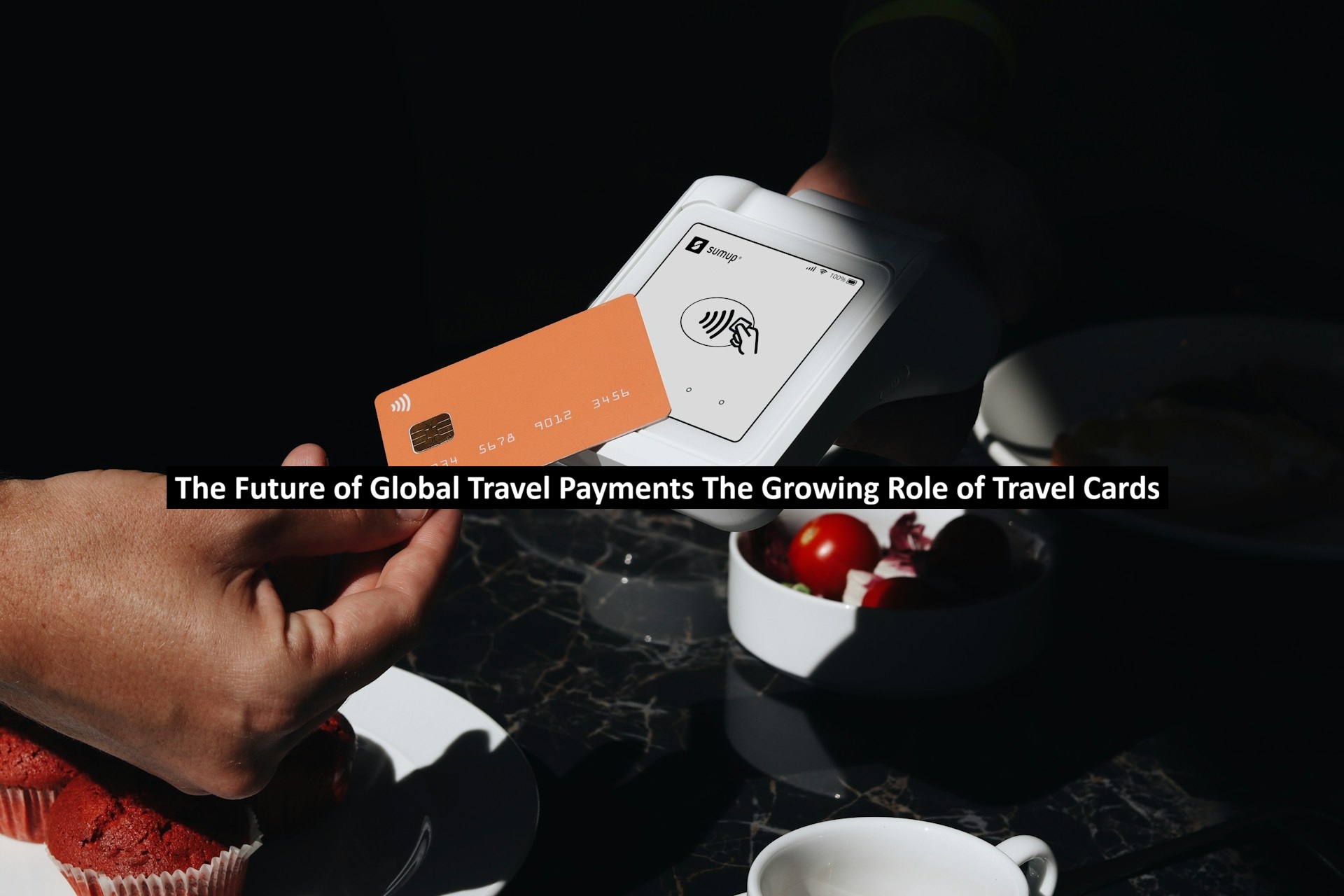
In the last few years, the rise of contactless payment has surged across the world. Now more than ever, customers expect swift, clean payments methods. The contactless payment systems of travel cards with built-in Near Field Communication (NFC) will ensure quick payments at airports, restaurants, hotels and for public transport.
Since an increasing number of countries have deployed their own infrastructure of contactless payments, contactless travel cards will further enhance the experience of travellers internationally.
Benefits for Business Travelers
Another key area in which travel cards are seeing strong growth is in corporate travel. Corporate business travellers are likely to incur costs in a wide range of different currencies and countries; the use of a travel card can ease expense tracking as well as helping to simplify reimbursement for businesses.
Organizations also benefit through:
- Improved expense transparency
- Simplified accounting
- Controlled employee spending
- Reduced cash handling
- Easier reconciliation of travel costs
Many businesses now integrate travel card data directly into expense management software, improving operational efficiency.
Supporting the Growth of International Tourism
Travel Card providers set to see a further boost with rise of global travel Increasing tourism across the globe offers further room for growth for travel card issuers. In line with global travellers opting to go abroad more, the requirement for solutions which make payments more seamless overseas is ever on the rise.
As tourists wish to travel without worry or hassle – they require payment options which remove their doubts about currency exchange, the ease of finding ATMs or security of transactions in international destinations. Travel cards provide the perfect fit as they come with single payment solutions in place to be used in multiple countries.
Sustainability and Digital Financial Services
Green finance gaining steam as concerns around climate change grow, the financial services industry is also starting to take an interest in sustainability. Banks like ING, and some payment processing companies are developing green credit cards made from recycled plastics and other biodegradable products.
They’re even encouraging paperless accounts and offering customers the option of virtual credit cards. And who better to engage in the journey toward a green, clean world than the new generations of travellers?
Challenges Facing the Travel Card Market
Still not entirely smooth sailing for a relatively popular product, travel cards do have some kinks still to work through. While more people than ever are signing up to a travel card, there’s still a significant segment of people that don’t know that the card they have supports multiple currencies, or don’t realise that it would be significantly cheaper to use a travel card rather than ordering travel cash with a bank.
Additionally, ATM withdrawal, inactivity, or currency conversion charges differ across different travel card brands, so comparing the charges is important. And then there’s the fierce competition from new fintech payment solutions, mobile wallets, and the general fast-paced nature of the travel payment space, where companies in the space are still pouring in capital to improve user experience and offer cutting-edge features and security.
The Future of Travel Cards
In the future, travel payments will likely continue their move toward more digitally enabled, interconnected, and customer-centric solutions. As international travel increases, the role of the travel card may evolve from that of a simple prepaid card, to that of an entire financial wallet. Travel cards may also feature such new elements as biometric authentication, blockchain-based cross-border payments, AI-powered recommendations, integrated, customizable travel insurance, and the seamless incorporation of digital identity management tools.
With the advancements in open banking and the emergence of embedded finance, access to funds, management of costs, and currency exchange while traveling could become even more effortless.
As financial institutions pursue continued advancements, the travel card will continue to be central to the emerging payments landscape.
Conclusion
The future of global travel payments – driven by convenience, security and digital innovation – is undoubtedly being influenced by the evolving impact of travel cards, with these indispensable payment options helping to: facilitate easier international payments; support travellers to keep their spending in check and to plan; strengthen the security of payments whilst away; and enhance the overall journey experience.
As international tourism grows and digital payments and technologies evolve, the range and utility of travel cards is set to become increasingly sophisticated. Offering a unique blend of flexibility, security, and global reach, these travel card market solutions are for payment, therefore, set to continue to support travellers on their journeys around an increasingly connected globe and as preference continues to lean towards the benefits offered by cashless and technology-supported transactions.