






Key Takeaways:
- Always check travel restrictions and local laws when packing
- Research your locations and expected weather
- Dress appropriately with your activities in mind
- Use packing cubes or roll your clothes to save on space
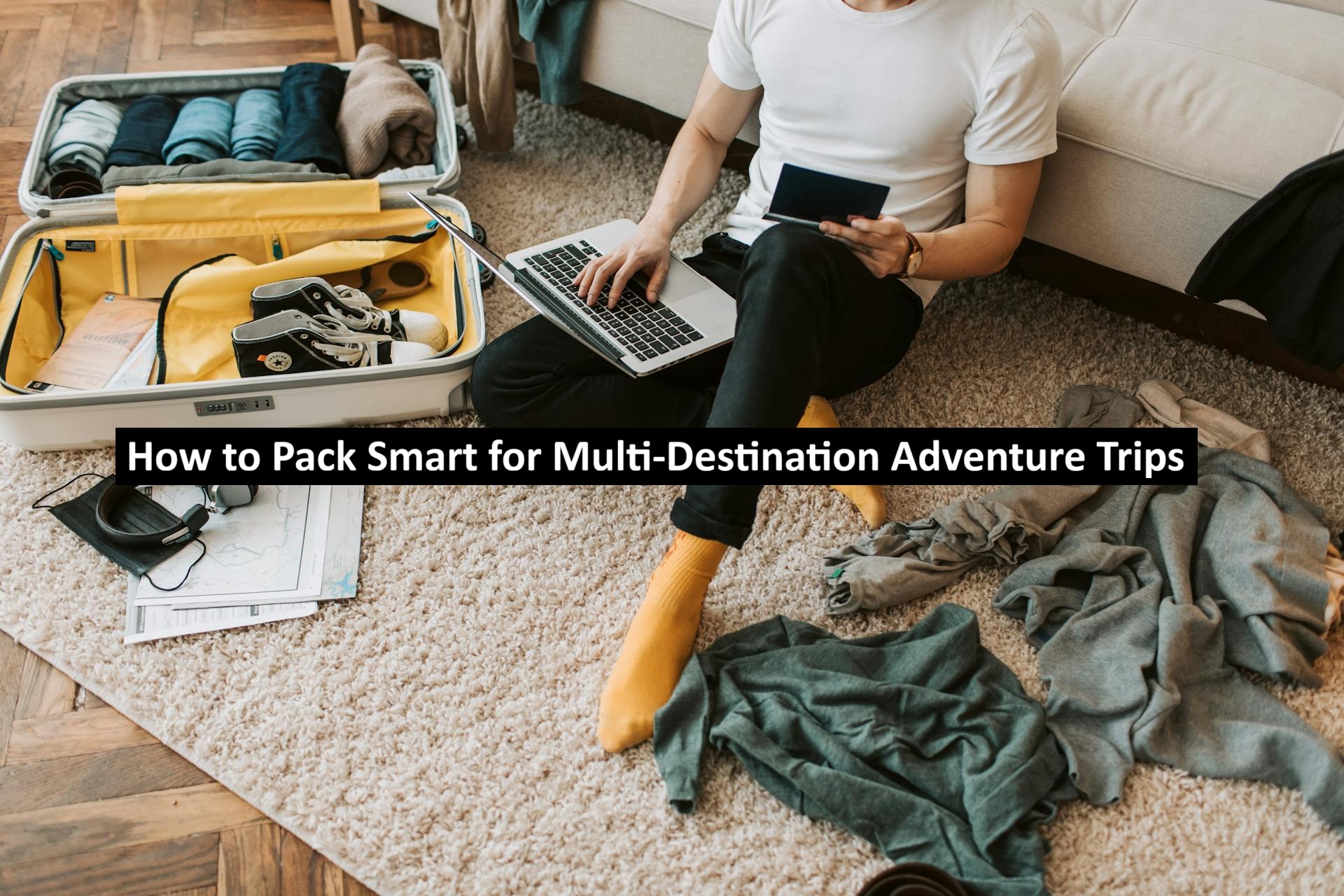
The great thing about multi-destination trips is that you get to see a lot of new stuff, but the negative is that you have to pack a lot of your own stuff. Aside from just picking out the clothes you’ll wear, you’re also looking at travel regulations, suitcase regulations, and activity planning.
To help, here’s a comprehensive guide!
Know Your Locations
Just like in real estate, “Location, location, location” is the first rule of packing for a longer trip.
If you’re planning your trip in detail, the first thing you need to know is the locations you’re visiting and the expected weather. Visiting Scotland in November and going to Morocco in the summer are two opposites in terms of weather, and your wardrobe needs to cover all the bases.
The things you should account for are:
- Average temperature
- Rainfall
- Humidity
- UV index
In this regard, the most challenging aspect is switching between contrasting locations. Referring to the Morocco-Scotland example, that would be a packing nightmare because you need summer clothes, and at the same time, you need to devote space to thick, layered, rain-ready clothes.
Read: The 5 Things To Remember When Pairing Your Bikini Tops and Bottoms
Know Your Activities
The second thing to keep in mind is what you’re going to do there. City hopping and sightseeing are casual activities that don’t require anything more than clothes you feel comfortable in, but if you’re going on a hiking trip, you’ll obviously need to pack accordingly.
Speaking of hiking, that type of trip also requires a lot of gear. You’re not just looking at different types of clothes – you also need to pack hiking shoes, a sleeping bag, a tent, cooking gear, first aid kits, survival kits, and so many things.
You’re almost guaranteed to double the amount of luggage you initially thought you’d take when you start packing all your hiking gear, and this can be a problem regarding the type of luggage you’re taking.
Types of Luggage for Consideration
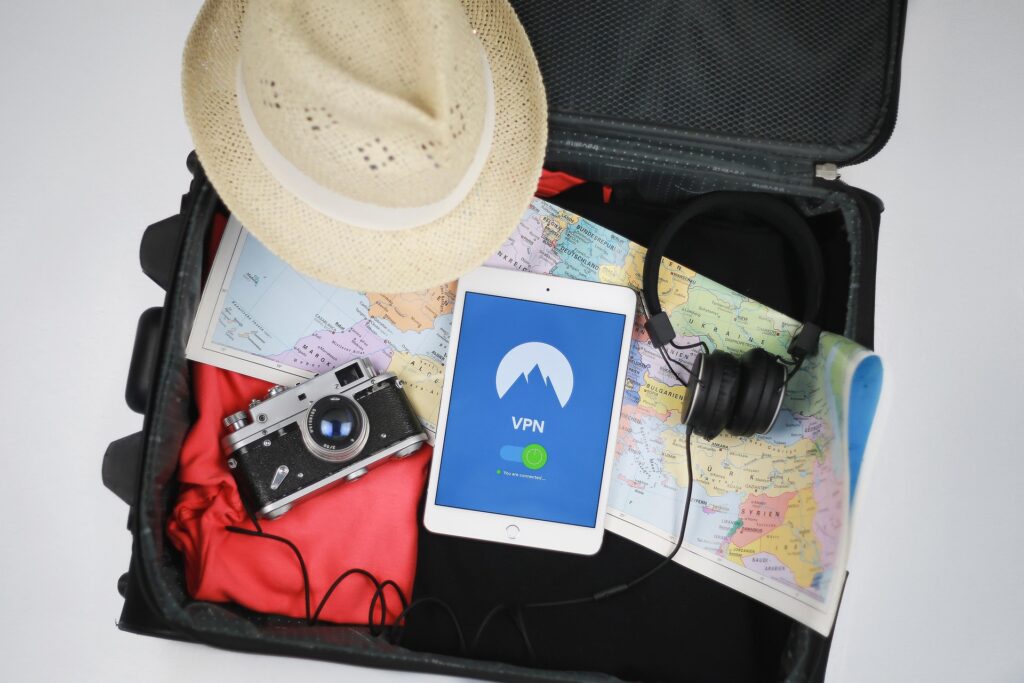
When it comes to hiking gear, nothing beats duffel bags. You will, of course, carry a rucksack on your actual hiking trip, but a duffel bag is your best option when it comes to transporting all that stuff to another place on the planet.
Big duffel bags are ideal for things that don’t require neat folding – you can easily fit all your camping gear in a duffel bag and take an additional suitcase for all your fancier clothes.
The rucksack you’ll take with you on your camping trip is, obviously, another thing you should use to fit as many clothes as possible. You’ll repack the travel items from the rucksack later on.
Suitcases are the default airport-to-hotel luggage choice, and they’re ideal for, so to speak, “normal”, non-hiking clothes. There are two schools of thought regarding the size of suitcases.
Some people believe that you should find a suitcase that’s as large as possible for a longer trip so you can bring as many clothes as possible with you. That makes sense as you need a lot of clothes if you’re going on a two-month trip.
On the other hand, if the trip will be that long, why not just bring a smaller suitcase and wash your clothes? A smaller suitcase is easier to manage, cheaper to transport, and if you’re going on a very long trip, washing your clothes every other week is easier than dragging a huge suitcase full of dirty laundry with you.
There are also hybrid bags, which are just rucksacks with wheels and a heavy back plate that allows them to be dragged around like a suitcase. These are fine, but they are not really useful for a longer trip.
Packing Cubes
If you’re struggling with space, packing cubes are a great tool. They are, as the name implies, cubes that act as tiny suitcases that you can pack your clothes tightly into, and the size of the cubes prevents your clothes from spreading. They essentially allow you to pack more clothes per cubic inch in comparison to regular packing.
The downside is that your clothes won’t be packed neatly, and you’ll have to do some ironing when you unpack. This is why it’s best to use this method with rucksacks and hiking packs. It allows you to pack a lot of clothes and take up relatively little space.
If you don’t want to use packing cubes, you can always roll your clothes. Rolled clothing requires less space, and it doesn’t crease as much.
Hiking Gear
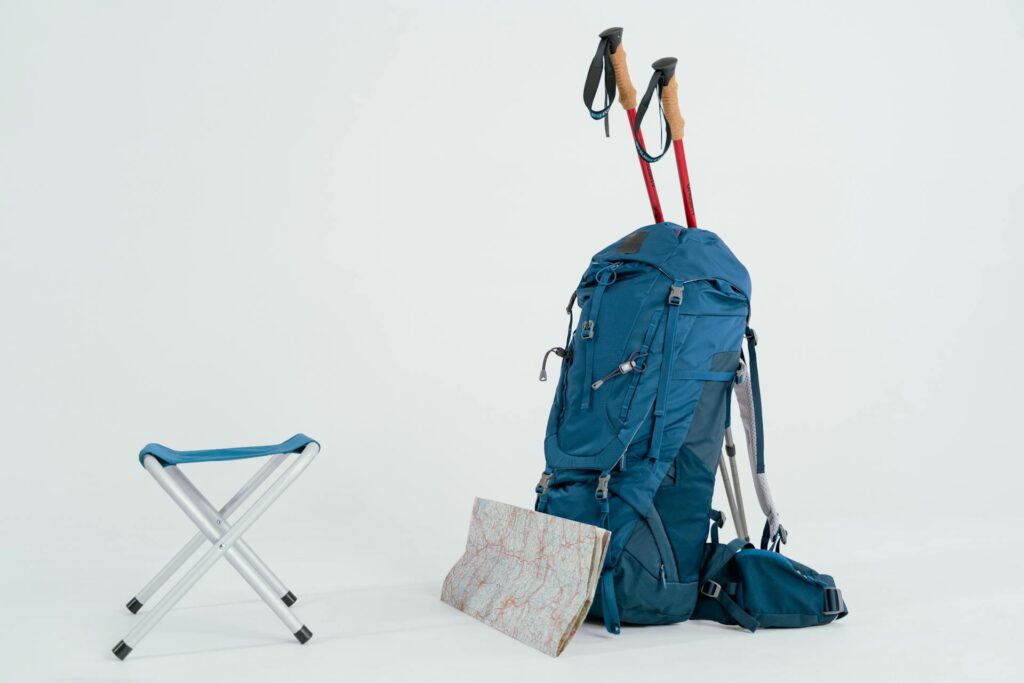
Cross-continent hiking trips are becoming more popular with time, and more and more people set sail on these months-long adventures. The thing you need to be really careful about, though, is the gear you’re carrying.
The first thing you need to be careful about is local regulations. Whether you’re traveling outside your country or staying at home, check the laws regarding the places you’re visiting and be aware of travel regulations.
Bunsen burners, for example, are often considered a standard part of hiking gear. Even though they’re legal all around the world, getting on a plane with one may not be, which is why you always have to be mindful of travel restrictions and regulations.
The same thing applies to firearms. Firearms are entirely illegal in some countries, and even crossing state borders in the United States is subject to varying regulations. You may not be allowed to transport them, even if you might have a valid reason to bring them along on a hiking trip.
Knives are another thing to make sure to check whether you can legally transport your hiking knife. Some countries have regulations that pertain specifically to the size of a knife, so you might legally be allowed to bring a 3.5 inch fixed blade knife with you, but a 4 inch blade might be too long.